Impact is a comprehensive digital platform for the film and TV production industry, developed to modernize hiring, communication, and production management. With Notable partnerships with Netflix, HBO, and other Production companies, Impact first got their start as a "YC Combinator" writer development program to mentor unique under-represented voices in hollywood.
What started as a project marketplace for the alumni, became what it is today. Impact is building a "Linkedin" for Hollywood, connecting hollywood creatives digitally.
I served as the Lead Product Designer from the seed round through Series B funding.

The Hollywood production ecosystem has been severely outdated, with hiring practices rooted in personal networks, disjointed communication methods, and no digital space for crew availability or project experience. Productions were reliant on phone calls, emails, and personal referrals. Hiring and coordination were fragmented, often involving multiple platforms.
Identify specific pain points in hiring, team coordination, and communication within Hollywood productions.
Conducted user interviews with producers, crew members, and hiring managers. Analyzed current competitor tools (Scenecronize and Set Keeper) to understand their limitations.
Key Insights
Hiring
Limited to personal referrals, making it difficult to find candidates.
Organization
Teams struggled to consolidate information, using disparate tools.
Communication
Reliance on email and phone limited efficient collaboration.
How might we replace fragmented hiring and communication in Hollywood with a centralized platform that connects crews and studios
Project Goals
Consolation of Information
Hollywood in general lacked a centralized platform for showcasing crew past experiences, the ability to contact them, and current availability.
Expand Hiring Opportunies Beyond Personal Networks
Instead of searching through personal networks to crew up productions, Impact to provide tools to find the right person for any project, regardless of experience.
Centralize On-Set Communications
Provide an easily accesible place that stores all contact information of each crew member, important documents regarding the project, & ability to quickly reach one or more people in a seamless manner.


This diagram maps the full user journey across the sign-up and profile claim experience. It outlines what happens in the front end, what actions are triggered behind the scenes (across UI, API, email, ops, and data), and where the user is routed next. It also helped us evaluate technical feasibility and prioritize which parts of the flow to build first for the version 1 launch.

This diagram outlines the core user goals for our private beta and breaks them down into features and task-level user stories. It helped us stay grounded in real user needs while prioritizing what to build first for our MVP launch.
Currently, there is no dedicated platform for Hollywood professionals to network digitally. IMDB serves primarily as a read-only resource, while LinkedIn has limited popularity within the industry.
Our solution was to leverage a database from Variety Insights to gather comprehensive project and crew information across Hollywood. To get the platform off the ground, we first sourced emails manually and slowly let people off our prelaunch waitlist. We launched with about 10,000 verified users, and matched them with pre-filled profiles based on public credit databases.
Additionally, we built features for connecting, messaging, and updating availability, streamlining the networking and communication process for industry professionals.

Claim Your Profile Page
My hypothesis was that users didn’t understand the value of signing up when landing on what appeared to be a profile page. To drive more sign ups, we scrapped the original design for a different approach.
1. Reduce the number of credits shown
We found that people weren't claiming their profile because the credits were not always correct, leading to confusion.
2. Introduce "People They Know" Section
Showing their coworkers on previous projects and encouraging them to connect as another mechanism of jumpstarting the flywheel.
3. Introduce Company Intro and Who We are Section
Building trust and context on impact as an company.
We increased sign-up rates by 32% by addressing user confusion during onboarding.

Improving the Profile Card in Search Results
We enhanced the search card experience to better highlight relevant user data and improve functionality.
As we released more filter parameters, more profile data had to be tied to the profile card. We were quickly running out of real estate on desktop & mobile. The profile card itself became a mess on mobile losing the visual hierarchy that helped differentiate between individual cards.
1. Profile Insights
We prioritized displaying relationships and organizations first, then contextually surface information based on their filters.
2. Introduce Side Profile View
Studied how coordinators were interacting with the search results, opening new tabs to dive deeper and decided the side profile matched their user behavior better.
3. Reducing emphasis on profile pictures
Helped reduce bias and discovered that 40% of users did not upload a photo anyways.


Once we had a solid network, the next step was building real utility for hiring.
Currently, the hiring process involves searching for individuals on IMDB or relying on personal networks, followed by sending individual emails to check availability for specific roles. This approach is repetitive and time-consuming, especially when contacting multiple candidates.
Because we developed a comprehesive set of filters in Phase 1, Coordinators could use these filters to search based on criteria such as genre, project budget, specific roles, locations, union membership, past production experience, and collaborations with particular producers.
We evolved the “saved list” feature into what we called Avail Check — basically a lightweight hiring tool that let you organize candidates, check availability, and track their status through each stage. This tool was integrated with our messaging system also already built in Phase 1 to facilitating seamless private and secure communication with candidates.
And it was also the point where our CX team started selling the hiring tool to studios as part of a paid package.

Improving The Avail Check Tool
The initial version felt static, lacked communication features and didn’t account for the various stages a candidate might be in. We also wanted to protect the privacy of the candidate & not show their personal information
In response, we introduced
1. Improved Status Tracking
Since the old statuses didn’t tell the full picture of the candidate in the process. We worked closely with coordinators — including folks from Netflix and HBO — and added new dropdowns that better reflected the actual hiring process.
2. Introduce Nudge The Candidate Feature
Added a resend avail check feature, enabling hirers to nudge candidates a second time after 24 hours, along with a timestamp to provide better visibility into each candidate’s status and response timeline.
3. Usability Improvements
Increasing the font sizing & space to account for older demographics and integrating our newly released messenger.
This led to a big efficiency win — we were able to reduce the average availability response time from around a week to under 48 hours. That was a huge unlock for hiring teams.

Even after crew members were hired, we found a drop-off. They weren’t using the product much during production — mostly because there wasn’t anything for them to do once they’d landed the job.
So to help retention, we built on-set tools: digital call sheets, crew directories, and department-specific chats. The mobile app was especially helpful for people already working 12-hour days on set who needed fast access to info without digging through emails.
This phase actually gave us our highest engagement rates, who hadn’t really used the platform much until they were hired. And it completed the flywheel — once someone was on a project, they were more likely to stay in the network and be rehired again.
We also bundled these features into studio deals, helping with monetization and giving us longer-term traction inside productions.

Crew List Update
Based on feedback from crew members, we addressed frustrations with the old Crew List interface, including difficulty navigating between departments and excessive scrolling to reach the bottom of the list.
In the updated version
1. Updated the UX to reduce page switches
We updated how users browsed between departments by adding an expandable/collapsible sections
2. Removed the redundant profile pictures in department view
Users found that the profile pictures didnt help in identifying departments and since it wasnt exactly useful, we decided to cut it to save space.


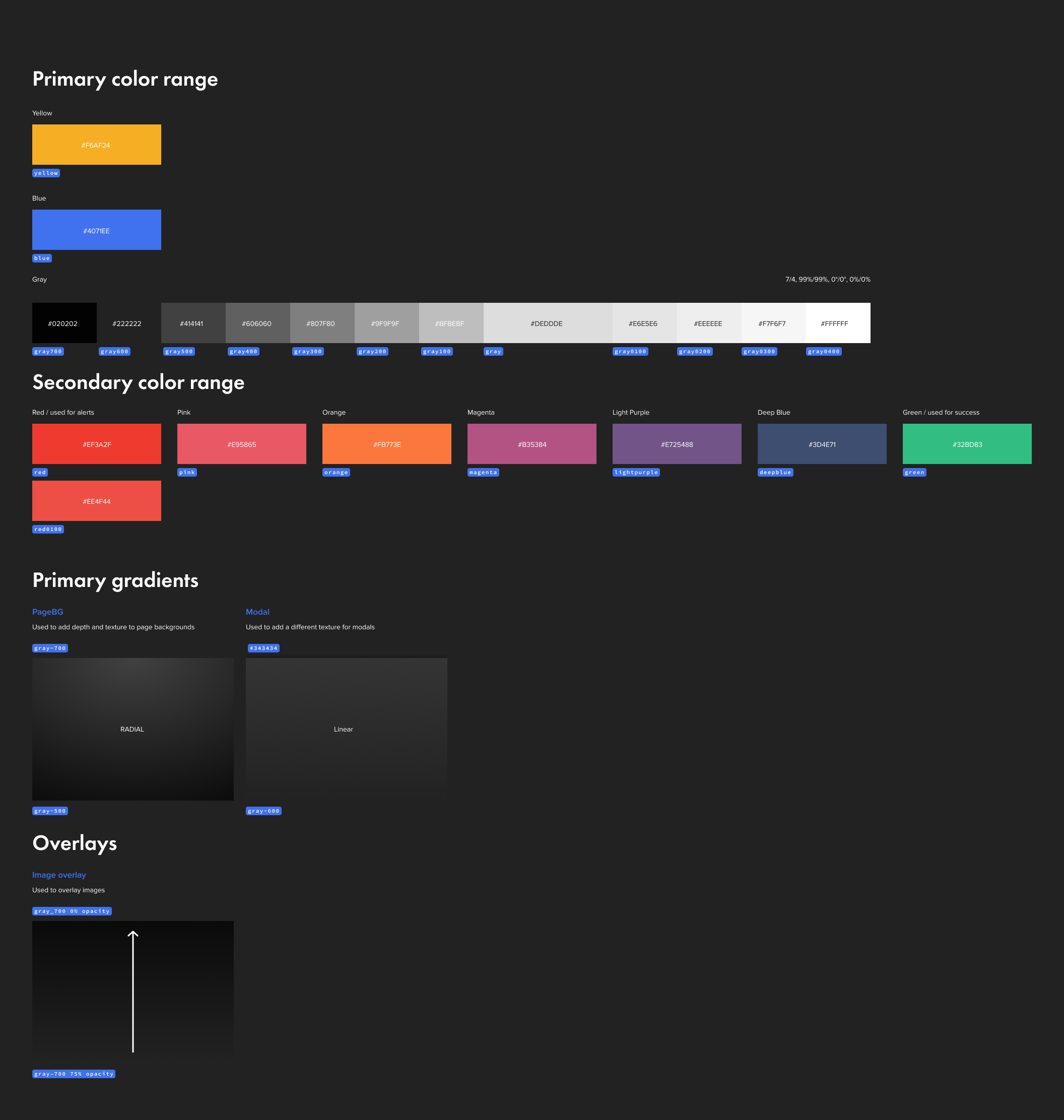
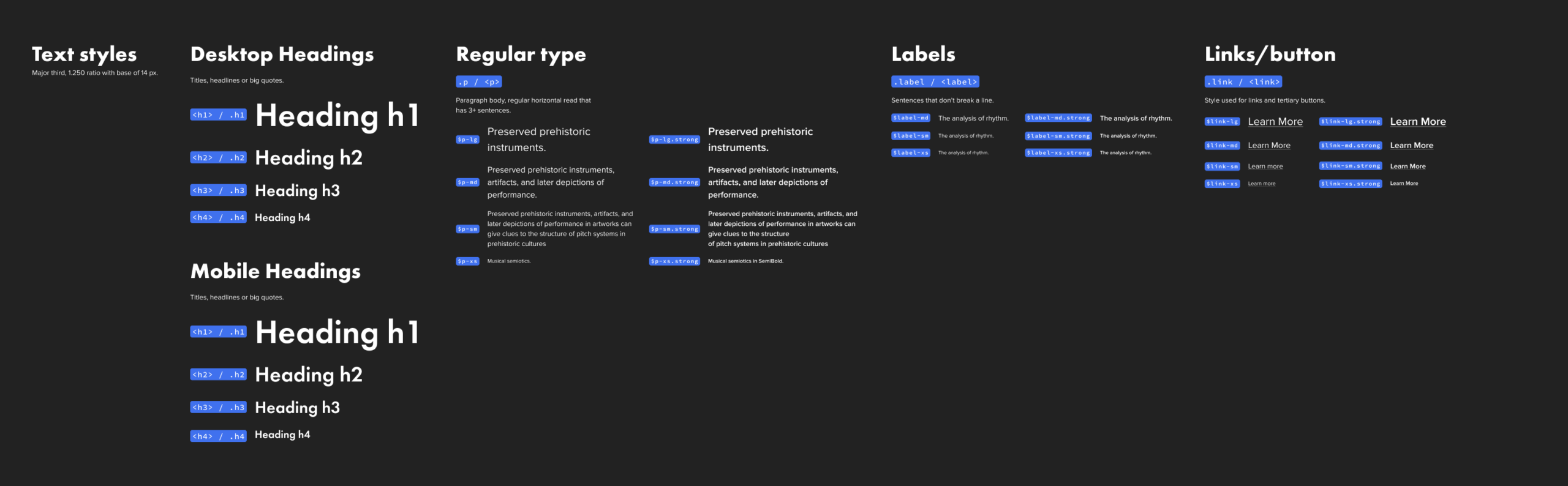
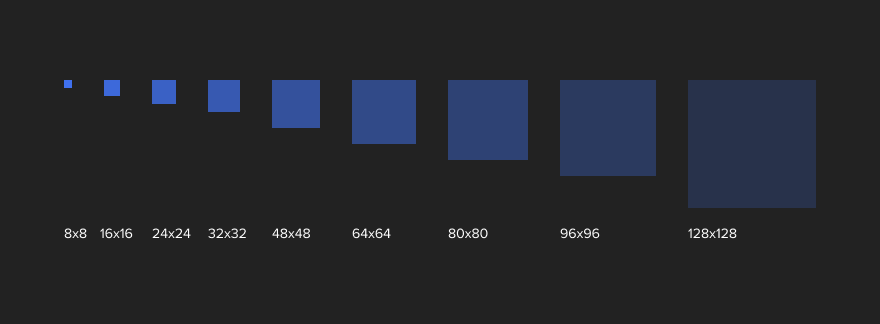
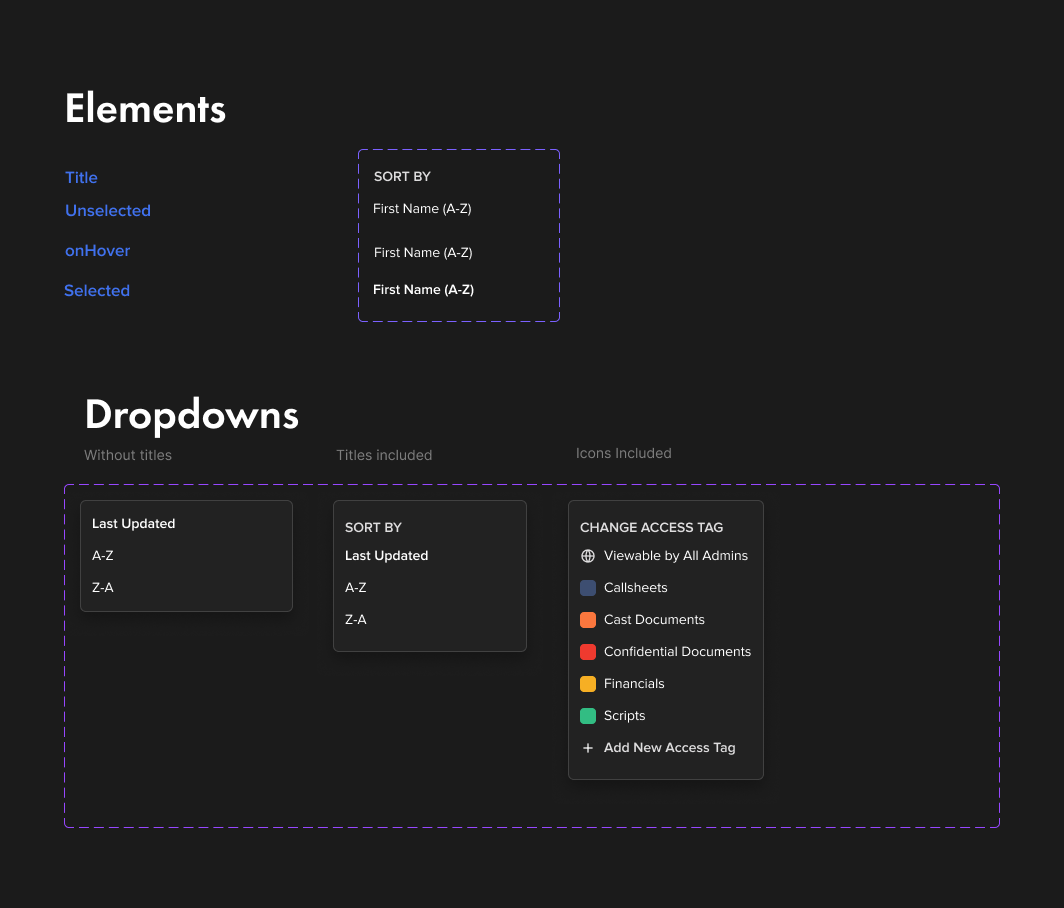
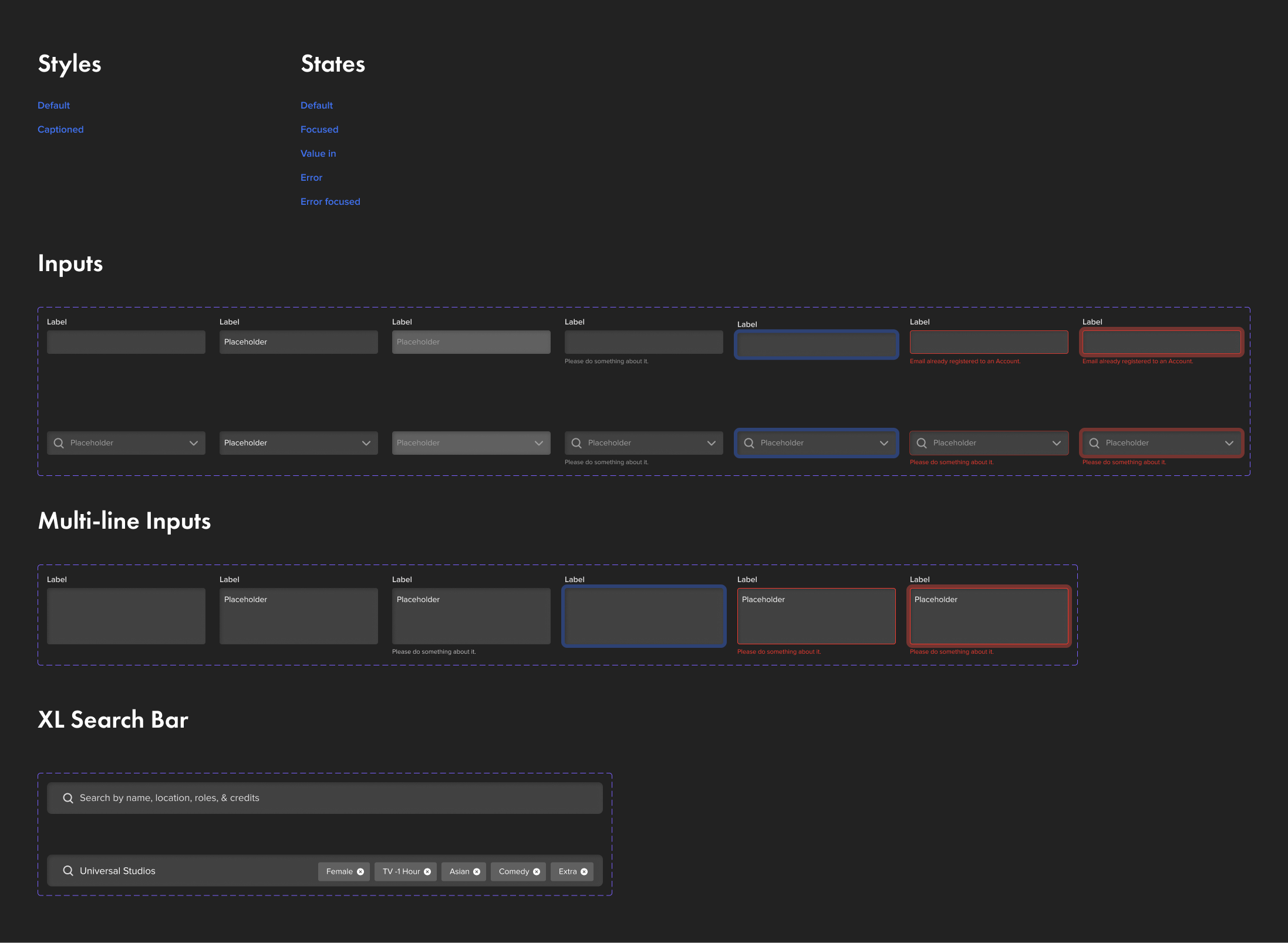
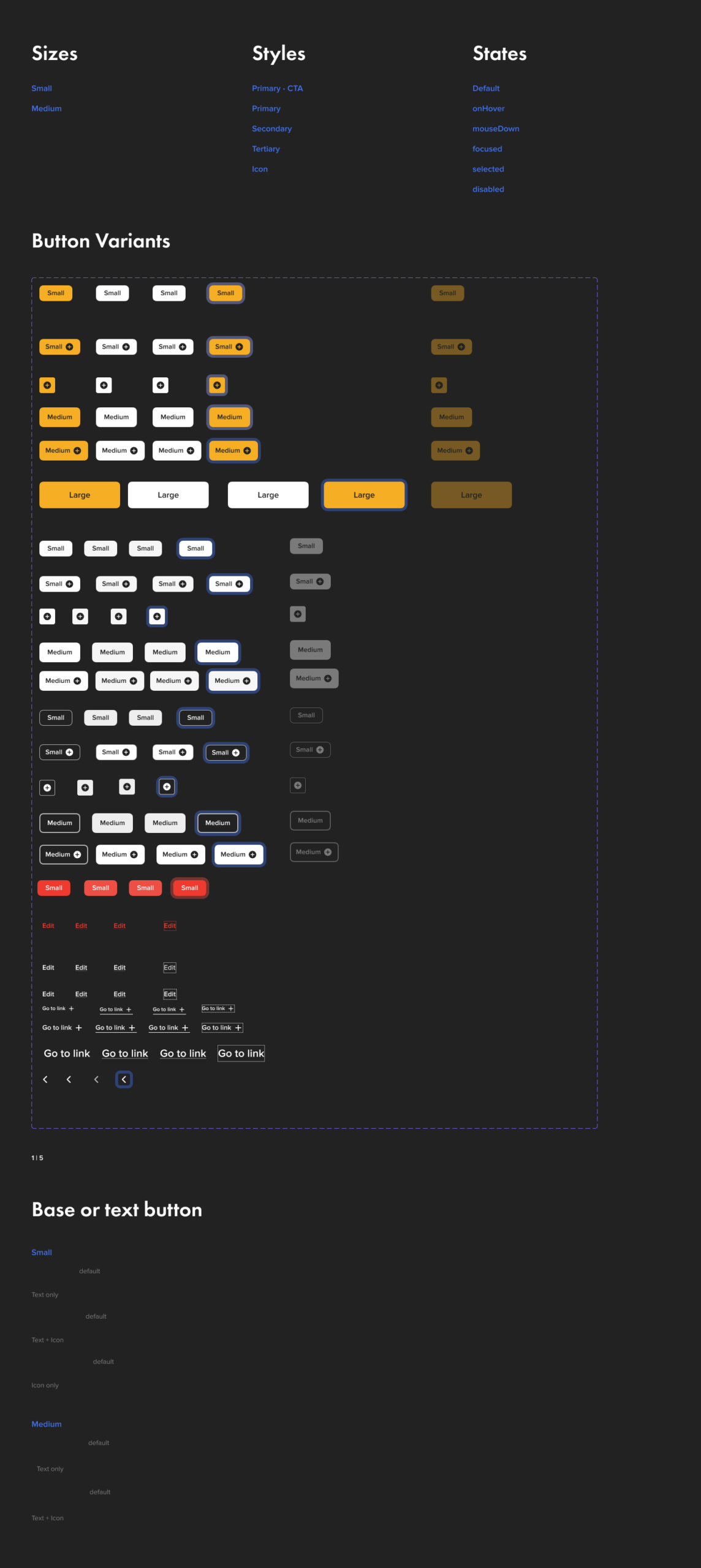
While working on Impact, I spearheaded the creation of a scalable design system to address inconsistencies in the user interface and streamline collaboration across teams. Leveraging Figma, I built a comprehensive system that included reusable components, typography guidelines, and a cohesive color palette to ensure visual consistency. By collaborating closely with developers and product managers, we reduced implementation time and ensured the designs maintained a high level of polish across the platform.


Lessons Learned
Challenges Faced
Adapting the platform during the Hollywood writer strike required rapid adjustments to address a larger market, shifting from a writer-focused tool to a comprehensive crew solution.
Takeaways
Flexibility in product design and development is essential, especially in industries prone to sudden changes. We made sure to ship fast and keep improving. Every feature had to be lightweight, useful, and measurable. How we won customers was fast bug fixes and customer requests, compared to our competitors who ignored any sort of requests
Diverse user groups, from younger crew members to people in their 60s and 70s. User testing was a huge priority for us because this industry is so diverse in terms of age and tech familiarity. It taught me how to build clarity into every interaction.